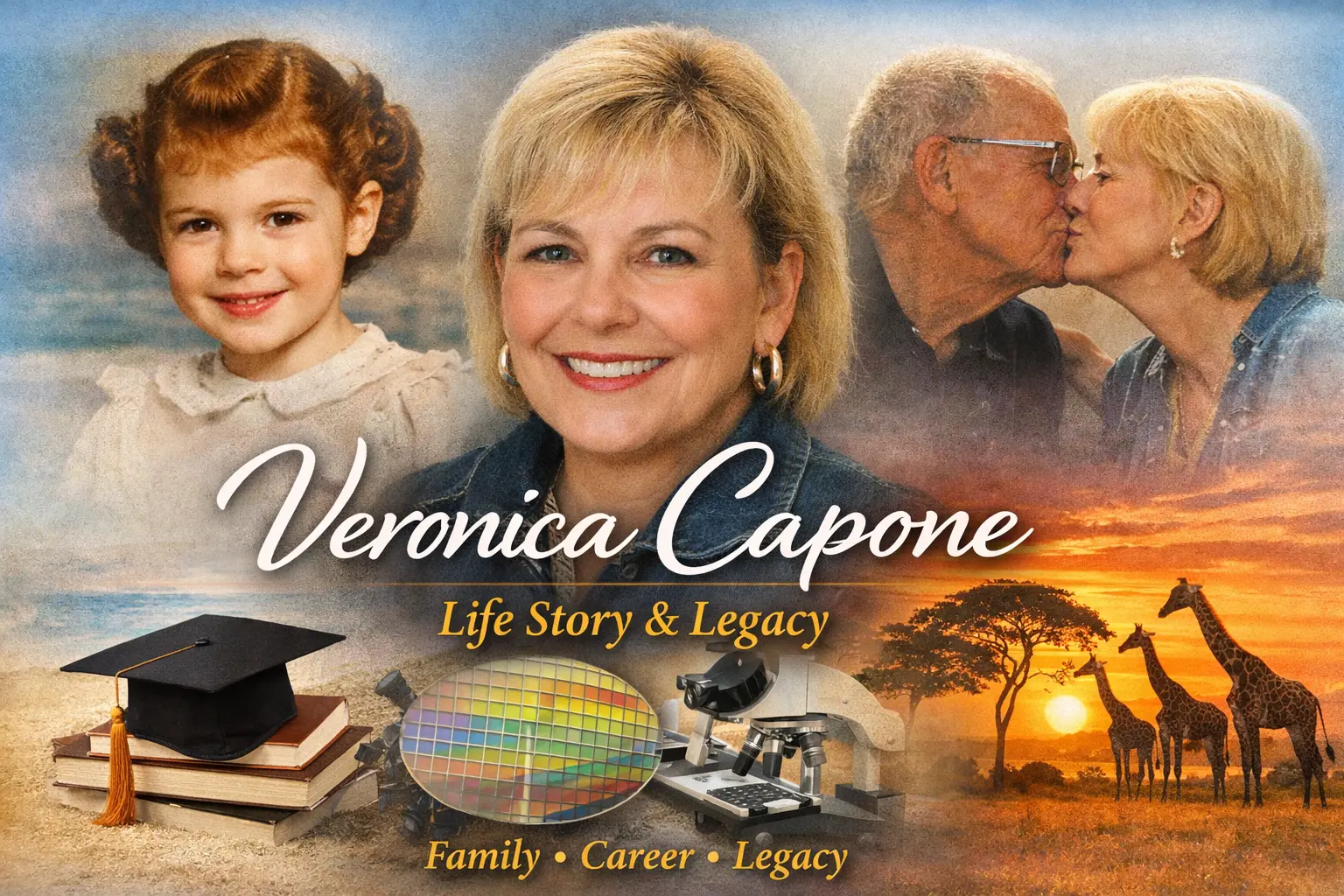
Veronica Capone – Inspiring Biography, Powerful Family Legacy, and Remarkable Life as Al Capone’s Granddaughter
Introduction
Veronica Capone is best known as one of the granddaughters of the infamous American gangster Al Capone, one of the most recognizable figures in Prohibition-era history. While her family name is strongly associated with organized crime history in Chicago, Veronica Capone herself lived a largely private and normal life away from the criminal legacy of her grandfather.
Born in 1943 in Miami Beach, Florida, veronica capone “Ronnie” Capone grew up in a family that worked hard to protect the next generation from the stigma of the Capone name. Despite being connected to one of the most notorious surnames in American history, she and her siblings were raised with a focus on education, stability, and emotional separation from their grandfather’s past.
This article provides a detailed 2000–2500+ word biography-style exploration of Veronica Capone’s life, family background, upbringing, personal journey, and historical significance.
Family Legacy and the Capone Name
The Capone name is one of the most famous in American history due to Al Capone, the Chicago gangster who became a symbol of organized crime during the Prohibition era. However, the generations that followed him lived very different lives, especially his grandchildren, including Veronica Capone.
Veronica was part of the third generation of the Capone family. Her father, Albert Francis “Sonny” Capone, was Al Capone’s only son. Sonny and his wife Diana Ruth Casey made strong efforts to ensure their children were raised outside the violent and criminal associations of the Capone legacy. This separation allowed Veronica and her sisters to grow up in a more normal American environment.
Despite the public fascination with the Capone name, Veronica’s branch of the family focused on privacy and distance from Chicago’s criminal history. The family’s effort was centered on rebuilding identity beyond their grandfather’s reputation.
Early Life and Childhood in Florida
Veronica Capone was born on January 9, 1943, in Miami Beach, Florida. She grew up in a coastal Florida environment far away from the Chicago streets where her grandfather built his criminal empire.
Her childhood took place in a protected household where her parents aimed to shield her from media attention and public judgment. The Capone surname often attracted curiosity and unwanted attention, so family members worked to ensure that the children experienced as normal a childhood as possible.
Growing up in Florida also meant Veronica had access to a calmer, more suburban lifestyle compared to the chaotic public image associated with the Capone family name. This environment helped her develop her own personality independent of her grandfather’s history.
The Influence of Al Capone’s Reputation
Even though Veronica Capone never personally knew her grandfather, his legacy had a strong indirect influence on her life. Al Capone died in 1947, when Veronica was still a young child, meaning her connection to him was mostly historical rather than personal.
The Capone family name carried both fame and stigma. On one hand, Al Capone was a well-known figure in American history; on the other hand, his criminal activities created a lasting reputation that affected future generations.
According to family accounts, the Capone grandchildren were sometimes exposed to social challenges and curiosity due to their surname. However, their parents consistently worked to ensure they did not become defined by this legacy.
Parents and Family Structure
Veronica Capone’s father, Albert Francis “Sonny” Capone, was the son of Al Capone and Mae Capone. Sonny had a complicated childhood due to his father’s criminal career and later incarceration, but he chose a different path by keeping his family away from organized crime associations.
Her mother, Diana Ruth Casey, played an equally important role in raising Veronica and her sisters in a stable home environment. Together, they raised four daughters: Veronica, Teresa, Barbara, and Patricia (Diane).
The family structure was built on protection, privacy, and emotional stability. This approach helped ensure that Veronica and her siblings could develop independent identities without being overshadowed by their grandfather’s criminal history.
Education and Personal Development
While detailed academic records of Veronica Capone are limited in public sources, it is widely understood that she received a normal American education in Florida. Her upbringing emphasized stability, learning, and personal development rather than public recognition.
Growing up in a household that valued privacy, Veronica likely experienced a structured environment focused on family values and community integration. This helped her build a life that was not dependent on public attention or media exposure.
Her development reflects the broader effort of the Capone family to create normalcy for future generations despite their historical notoriety.
Adult Life and Career Path
Veronica Capone eventually built a professional life outside of her family’s historical identity. Public records and professional references suggest that she worked in creative and production-related fields, including roles connected to film and production management in Europe.
Her involvement in production work shows a shift away from her family’s criminal past toward creative and legitimate industries. This is an important symbolic transition for many descendants of historically controversial families, where personal identity becomes separate from inherited reputation.
Her professional activities demonstrate that she built her own independent identity through work rather than relying on her family name.
Marriage, Personal Life, and Privacy
Veronica Capone lived a private personal life, consistent with the overall approach of the Capone family’s later generations. She eventually married and lived under the name Veronica Peterson in later records.
Her adult life was characterized by privacy, distance from media attention, and focus on personal relationships rather than public exposure. Unlike her famous grandfather, she did not seek fame or public recognition.
This lifestyle reflects a conscious decision by many descendants of historical figures to avoid public controversy and maintain normalcy.
Challenges of the Capone Legacy
Being part of the Capone family came with unique emotional and social challenges. Even decades after Al Capone’s death, the name still carries strong recognition worldwide.
Veronica and her siblings often faced questions or assumptions about their family history. However, their upbringing helped them respond with dignity and avoid being defined by stereotypes.
The Capone family narrative shows how descendants of controversial historical figures must often work harder to create independent identities separate from inherited reputations.
Death and Historical Recognition
Veronica Capone passed away in 2007, leaving behind a life that was largely private but historically significant due to her family background.
Her death marked the passing of one of the direct descendants of Al Capone’s immediate family line who had lived most of her life outside public attention.
While she was not a public figure, her life continues to be referenced in historical discussions about the Capone family and its generational transformation.
Legacy and Historical Importance
Veronica Capone’s legacy is not based on public achievements or fame but on the idea of family transformation and identity separation from historical legacy.
She represents a generation that inherited a powerful and controversial surname but chose to build a private, independent life. This shift is important in understanding how families evolve over generations after historical notoriety.
Her life story is often used as an example of how descendants of famous figures can successfully live outside the shadow of their ancestors.
Conclusion
Veronica Capone lived a quiet, private, and independent life far removed from the criminal legacy of her grandfather, Al Capone. Born in Florida in 1943, she was raised in a protective environment that prioritized normalcy, education, and emotional stability.
Although she carried one of the most famous surnames in American history, she successfully built her own identity away from public attention. Her life reflects the broader transformation of the Capone family from historical notoriety to private modern existence.

Related Posts
Hazel Vorice McCord Biography: Untold Life Story, Family Legacy, and Inspiring Van Dyke Family History

Sophia Laforteza Biography: Inspiring Journey, Katseye Leader, and Global Pop Breakthrough Story