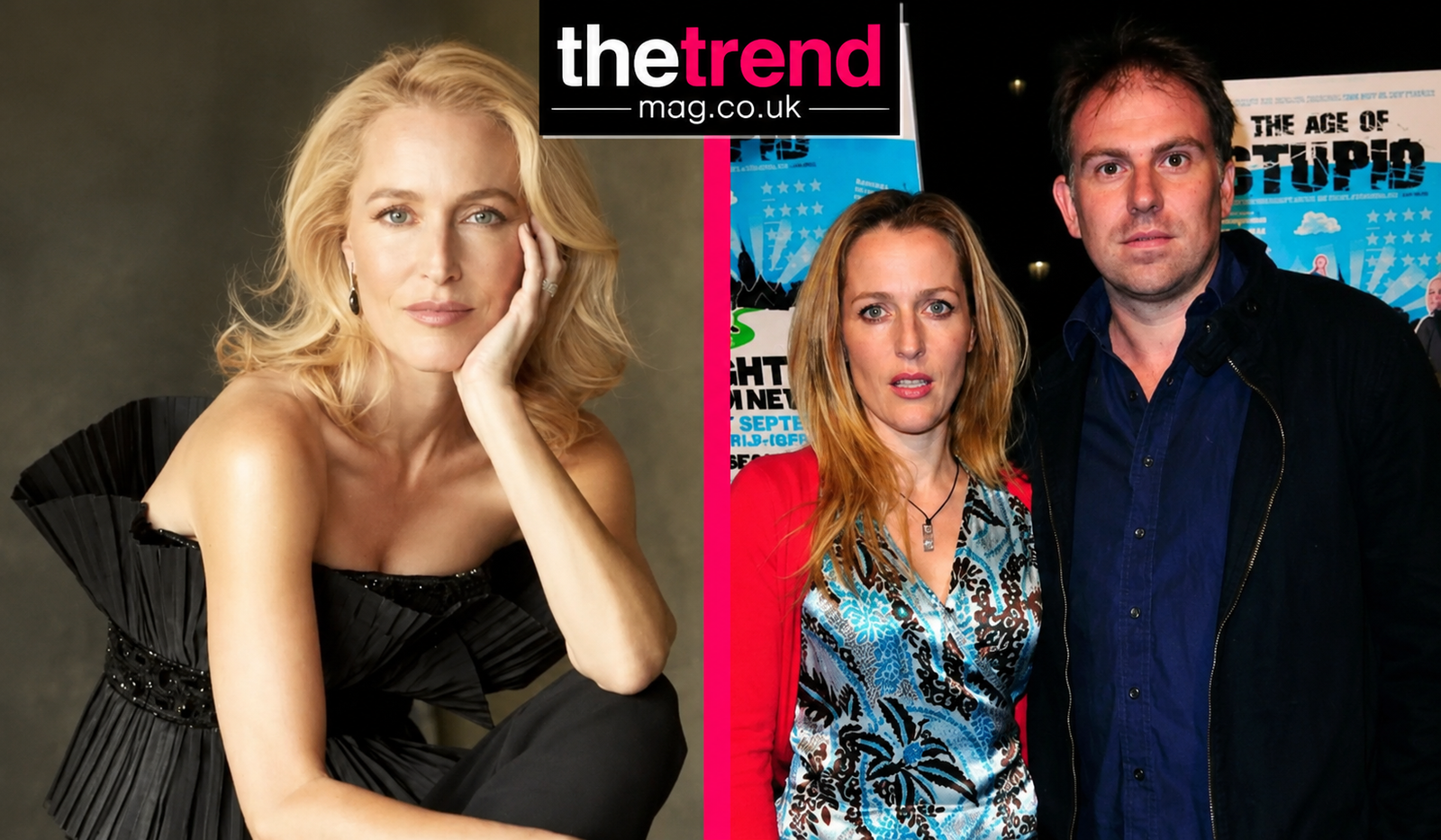
Julian Ozanne: Biography, Career, Marriage to Gillian Anderson, and Life Beyond the Spotlight
Introduction
Julian Ozanne is a Kenyan-born documentary filmmaker, producer, photojournalist, and former newspaper correspondent who gained public recognition through both his professional accomplishments and his marriage to actress Gillian Anderson. While many people first encounter his name through discussions about Anderson’s personal life, Ozanne has built a diverse career that spans journalism, filmmaking, humanitarian advocacy, and African affairs.
Over the years, interest in Julian Ozanne has grown as people search for information about his background, career achievements, documentaries, and personal life. Unlike many individuals associated with celebrities, Ozanne established a professional identity long before his marriage attracted media attention. His work in journalism and documentary filmmaking has earned respect among those familiar with international reporting and socially conscious storytelling.
Early Life and Family Background
Julian Ozanne was born in Kenya in 1965 and spent much of his childhood in Africa. His upbringing was unusual and culturally rich, exposing him to diverse communities, political developments, and social issues that would later influence his career choices. His early experiences helped shape his understanding of African society and provided a foundation for his future work as a journalist and filmmaker.
Reports about his early life indicate that he spent part of his youth in Lesotho and was raised within the environment surrounding King Moshoeshoe II’s palace. This unique background gave him firsthand exposure to African leadership, governance, and cultural traditions. Such experiences contributed significantly to his later interest in documenting social and political realities through journalism and film.
Education and Development of His Career
Although detailed information regarding Julian Ozanne’s formal education remains relatively private, his professional accomplishments suggest a strong foundation in journalism, communication, and international affairs. His ability to work as a foreign correspondent and documentary filmmaker required extensive knowledge of politics, culture, and storytelling techniques.
During the early stages of his career, Ozanne developed a reputation as a skilled observer of international events. He became interested in documenting real-world issues rather than pursuing entertainment-focused reporting. This commitment to meaningful storytelling eventually led him toward journalism and documentary production, fields where research, accuracy, and authenticity are essential.
Journalism and Work with the Financial Times
Before becoming widely known as a filmmaker, Julian Ozanne worked as a journalist and correspondent. One of the most notable aspects of his career was his work with the London Financial Times, where he reported on African affairs and regional developments. His reporting focused on political, economic, and social issues affecting various African countries.
Working as a foreign correspondent provided Ozanne with opportunities to travel extensively and witness significant events firsthand. His journalism career allowed him to build a deep understanding of African politics and society while developing the investigative skills that later became valuable in documentary filmmaking. His reporting work established credibility and helped distinguish him from many media personalities whose careers are centered solely on entertainment.
Transition into Documentary Filmmaking
As his career evolved, Julian Ozanne moved from journalism into documentary filmmaking. This transition allowed him to explore stories in greater depth and present complex issues through visual storytelling. Documentary filmmaking provided a platform for examining social realities, cultural developments, and human experiences in a way that traditional journalism sometimes could not.
Ozanne’s work reflects a commitment to authenticity and thoughtful observation. Rather than focusing on sensational topics, he developed projects that encouraged audiences to think critically about the world around them. His background as a journalist helped him maintain a fact-based approach while embracing the creative possibilities of film production.
Notable Films and Creative Projects
Julian Ozanne is known for several documentary and production credits that highlight his versatility as a filmmaker. Among his most recognized works are This Is Not an Exit: The Fictional World of Bret Easton Ellis, Giorgio Armani: A Man for All Seasons, and Here to Where. These projects demonstrate his ability to work across different subjects, ranging from literature and culture to fashion and personal narratives.
His documentaries often combine journalistic rigor with cinematic storytelling. Rather than merely presenting information, Ozanne seeks to explore the broader context surrounding his subjects. This approach has helped his work remain relevant and engaging for audiences interested in documentary cinema and real-world issues.
Humanitarian Interests and African Advocacy
Throughout his career, Julian Ozanne has maintained strong connections to Africa and has spoken publicly about issues affecting the continent. His experiences living and working in African countries influenced his perspectives on social justice, governance, and economic development. He has shown particular concern for communities facing political and social challenges.
Reports indicate that he has supported initiatives focused on raising awareness about conditions affecting vulnerable populations. His involvement in humanitarian causes reflects a broader commitment to using media and public platforms to highlight important issues. This aspect of his life demonstrates that his interests extend beyond filmmaking and journalism into advocacy and social responsibility.
Relationship with Gillian Anderson
Julian Ozanne’s relationship with actress Gillian Anderson brought him significant public attention. The couple met through mutual connections and developed a relationship that eventually led to marriage. Anderson, known worldwide for her role as Dana Scully in The X-Files, was one of television’s most recognizable stars at the time.
Their relationship attracted considerable media interest because Anderson’s personal life was frequently covered by entertainment publications. Despite this attention, both Ozanne and Anderson generally maintained a relatively private approach to their relationship. Their shared interest in Africa and humanitarian causes reportedly played a role in strengthening their connection.
Marriage and Public Attention
Julian Ozanne and Gillian Anderson married on December 29, 2004, during a ceremony held on Lamu Island off the Kenyan coast. The wedding reflected the couple’s connection to Africa and included close family members and friends. The event attracted international media coverage due to Anderson’s celebrity status.
Although the marriage generated significant public interest, both individuals largely avoided turning their relationship into a media spectacle. They preferred maintaining personal privacy despite widespread curiosity from fans and journalists. Their marriage represented a unique union between a globally recognized actress and a respected documentary filmmaker with deep roots in Africa.
Separation and Life After Divorce
In 2006, Julian Ozanne and Gillian Anderson announced their separation after approximately sixteen months of marriage. The news received extensive media coverage, though both parties requested privacy and refrained from publicly discussing the details surrounding the end of their relationship. Their divorce was finalized in 2007.
Following the separation, Ozanne returned to a relatively private life focused on professional and personal pursuits. Unlike many individuals connected to celebrities, he did not seek additional public attention or media opportunities. His ability to maintain privacy after a highly publicized marriage reflects his longstanding preference for focusing on meaningful work rather than celebrity culture.
Legacy and Continuing Interest
Julian Ozanne’s legacy extends beyond his connection to a famous actress. His contributions to journalism, documentary filmmaking, and advocacy have established him as a thoughtful storyteller and observer of global issues. His work reflects a commitment to understanding complex subjects and presenting them in accessible and engaging ways.
Interest in Julian Ozanne continues because his life intersects several compelling worlds, including international journalism, documentary filmmaking, African affairs, and celebrity culture. However, his professional achievements remain the most important aspect of his story. As a filmmaker, journalist, and advocate, he has demonstrated the value of using media to inform, educate, and inspire audiences.
Conclusion
Julian Ozanne is far more than a former celebrity spouse. Born in Kenya and shaped by a unique African upbringing, he developed a successful career as a journalist, documentary filmmaker, and producer. His work with the Financial Times, his documentary projects, and his humanitarian interests have contributed to a professional legacy built on curiosity, integrity, and meaningful storytelling.
While public attention often focuses on his marriage to Gillian Anderson, Julian Ozanne’s broader story is one of creativity, international experience, and dedication to documenting important issues. His life and career continue to attract interest because they represent a rare combination of journalism, filmmaking, and global awareness that remains relevant today.

Related Posts
Hazel Vorice McCord Biography: Untold Life Story, Family Legacy, and Inspiring Van Dyke Family History

Sophia Laforteza Biography: Inspiring Journey, Katseye Leader, and Global Pop Breakthrough Story