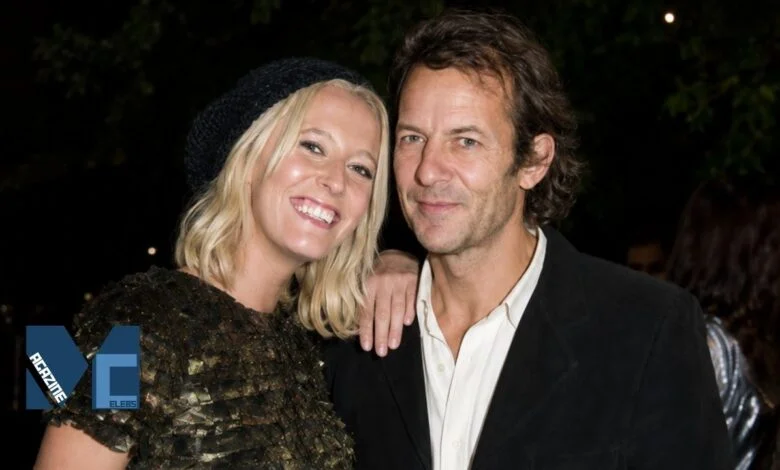
Emma Bridget Howard Biography: Powerful Insights Into Her Aristocratic Family, Life, and British Peerage Legacy
Introduction
Emma Bridget Howard is a British aristocratic figure whose name appears in genealogical and peerage records connected to the historic Howard family. She is associated with the wider lineage of the Earls of Carlisle, one of the long-established noble families in England with deep roots in the British peerage system. Her identity is mainly documented through aristocratic archives rather than modern public media coverage, which makes her a subject of interest in historical, genealogical, and nobility-based research.
This article explores Emma Bridget Howard’s family background, aristocratic lineage, personal life, and historical relevance. It also explains how her story fits into the broader context of British nobility, peerage traditions, and family heritage structures that have shaped aristocratic identity in the United Kingdom.
Early Life and Aristocratic Family Background
Emma Bridget Howard was born on 20 July 1952 into the Howard family, a long-established aristocratic lineage in Britain. She is the daughter of Charles James Ruthven Howard, the 12th Earl of Carlisle, and Hon. Ela Hilda Aline Beaumont, placing her firmly within the upper tier of British nobility.
Growing up in such a family meant being surrounded by traditions tied to the British peerage system, including estate culture, formal social expectations, and connections with other noble families. The Howard family name has historically been linked to political influence, land ownership, and aristocratic leadership dating back centuries, which gives Emma Bridget Howard a background rooted in long-standing heritage rather than modern public prominence.
Her early life is typically understood through the lens of aristocratic structure, where family identity, education, and social position are shaped by inherited titles and responsibilities rather than individual public careers.
The Howard Family Legacy and British Peerage Connection
The Howard family is one of the most historically significant noble families in England, with branches connected to multiple earldoms, dukedoms, and political roles throughout British history. Emma Bridget Howard’s lineage places her within the Earl of Carlisle branch, which has long been associated with influence in regional and national affairs.
Her father’s position as the 12th Earl of Carlisle reinforces her direct connection to a major aristocratic title. In the British peerage system, such families traditionally played important roles in governance, military leadership, and land administration. Over time, however, their influence has become more ceremonial and genealogical rather than directly political.
Within this context, Emma Bridget Howard represents the continuation of aristocratic heritage into the modern era, where lineage and historical record preservation have become more significant than active political authority.
Marriage History and Family Relationships
Emma Bridget Howard’s personal life includes multiple marriages, which are recorded in genealogical databases and peerage references. Her first marriage was to John Philip Charles Langton-Lockton in 1974, and the marriage ended in divorce in 1981.
She later married Robie Patrick Maxwell Uniacke in 1983, a marriage that also ended in divorce in 1988. During this period, she continued to expand her family line through children born from her marriages. In the same year, she married Guy Mark Sisson, further extending her family connections within British society.
These marriages reflect a broader pattern seen in modern aristocratic families, where traditional lineage continues while personal relationships evolve in line with contemporary social norms. Her family structure illustrates how noble families today balance heritage with modern personal independence.
Children and Descendants in the Howard Lineage
Emma Bridget Howard is the mother of several children from her marriages, and her descendants continue the family line into the present generation. According to peerage records, her children include Tabitha Jane Langton-Lockton, Maximilian Charles Thomas Langton-Lockton, Robie Jonjo Uniacke, Ned John Hamilton Sisson, and Molly Hannah Sisson.
These descendants represent the continuation of aristocratic lineage into modern British society, where noble heritage often blends with professional and contemporary lifestyles. Unlike earlier centuries, where aristocratic children were expected to maintain strict social and political roles, modern descendants frequently pursue diverse careers and personal identities.
Her family tree demonstrates how aristocratic families maintain continuity even as their traditional power structures have shifted significantly over time.
Life in London and Social Environment
Records indicate that Emma Bridget Howard lived in London, a central location for many members of the British aristocracy. London has long been a hub for noble families due to its proximity to political institutions, cultural organizations, and social networks that define British high society.
Living in London also reflects a broader transition within aristocratic families, where rural estate-based living has increasingly given way to urban lifestyles. While historic estates remain symbolically important, many members of noble families now base their lives in cities where education, work, and social activity are concentrated.
In this setting, Emma Bridget Howard’s life aligns with the modern pattern of aristocratic integration into contemporary British urban society while maintaining genealogical identity.
The Role of Aristocratic Women in Modern Peerage
Emma Bridget Howard’s life also reflects the changing role of aristocratic women in the British peerage system. Historically, women in noble families were primarily responsible for managing households, social obligations, and family alliances. Over time, these roles have evolved significantly, allowing greater independence and personal choice.
In modern contexts, aristocratic women often balance traditional heritage with individual lifestyles, education, and careers. Emma Bridget Howard’s recorded life events illustrate this transition, where lineage remains important but does not fully define personal identity.
Her position within the Howard family shows how aristocratic women today represent continuity of heritage while participating in modern social structures.
Historical and Genealogical Significance
Emma Bridget Howard’s significance lies primarily in genealogical and historical documentation rather than public achievements or media presence. She is part of the broader record-keeping tradition that preserves the structure of British nobility through peerage registers and family histories.
These records are essential for understanding how aristocratic families evolve over time, how titles are passed down, and how family connections intersect across generations. The Howard family, in particular, has been extensively documented due to its historical prominence in England.
Her inclusion in these records highlights the importance of aristocratic documentation in preserving cultural and historical continuity within British society.
Conclusion
Emma Bridget Howard represents a member of one of Britain’s most historically important aristocratic families, with direct ties to the Earl of Carlisle and the broader Howard lineage. Her life, recorded through genealogical and peerage sources, reflects the modern evolution of British nobility, where historical legacy continues alongside changing social structures.
While she is not a public figure in the media sense, her importance lies in her place within the structured history of British aristocracy. Her family connections, marriages, and descendants contribute to the ongoing narrative of noble lineage in the United Kingdom. Through her story, we see how traditional aristocratic identity continues to exist in a modern world, adapting to contemporary life while preserving centuries of heritage.

Related Posts
Hazel Vorice McCord Biography: Untold Life Story, Family Legacy, and Inspiring Van Dyke Family History

Sophia Laforteza Biography: Inspiring Journey, Katseye Leader, and Global Pop Breakthrough Story