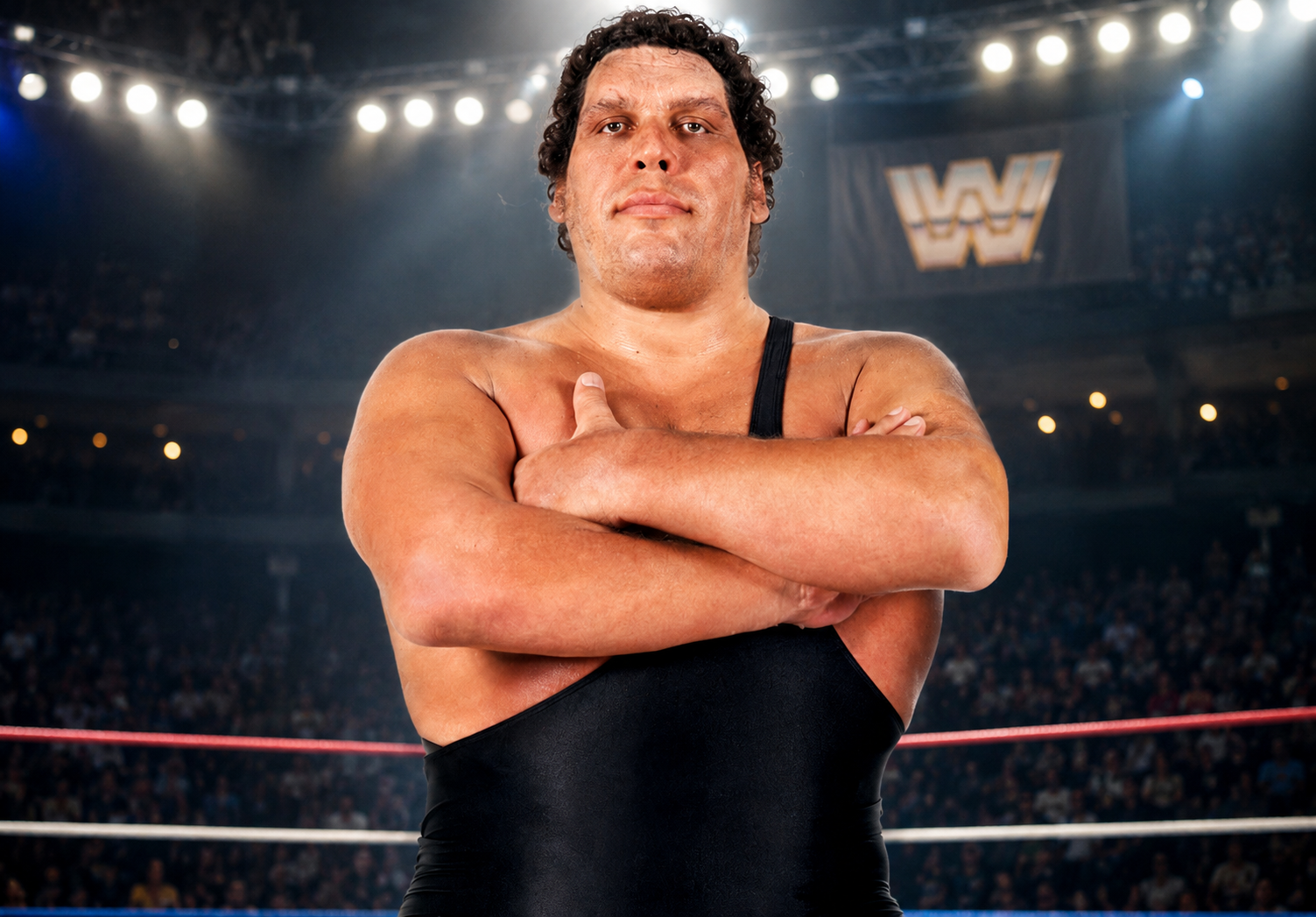
André the Giant: Biography, Wrestling Career, Height, Movies, and Legendary Legacy
André the Giant is one of the most iconic figures in professional wrestling and pop culture history. Known worldwide as “The Eighth Wonder of the World,” André René Roussimoff became famous for his extraordinary size, dominant wrestling presence, and memorable Hollywood role in The Princess Bride. His life story combines medical rarity, global wrestling fame, and cultural influence that continues to shape WWE and sports entertainment today.
Born in France in 1946, andre the giant life was shaped by a condition called gigantism, caused by excess growth hormone. This condition made him physically different from others at a very early age and eventually turned him into one of the most recognizable athletes in the world. Despite health struggles, he built a career that lasted over two decades and left a permanent mark on wrestling history.
Early Life and Childhood of André René Roussimoff
André René Roussimoff was born on May 19, 1946, in Coulommiers, France. From childhood, he showed unusual growth patterns, becoming significantly taller and larger than other children his age. By his teenage years, he was already far above average height, which made everyday life difficult but also set him apart early on.
Growing up in rural France, André left school at a young age and began working. His condition, later diagnosed as acromegaly, caused his body to produce excess growth hormone, leading to gigantism. This medical condition would define his entire life and eventually become the foundation of his wrestling identity.
Despite the challenges, André developed a strong work ethic and physical presence that later helped him succeed in professional wrestling, where size and strength were major advantages.
The Medical Condition Behind His Giant Size
The reason behind André the Giant’s extraordinary size was a disorder called acromegaly. This condition occurs when the pituitary gland produces too much growth hormone, causing abnormal bone and tissue growth. In André’s case, it resulted in gigantism, making him grow rapidly throughout his life.
This condition affected more than just his height. It also enlarged his hands, feet, and facial structure, giving him a unique and instantly recognizable appearance. At his peak, he was billed around 7 feet 4 inches tall and weighed approximately 520 pounds, although exact measurements varied due to wrestling exaggeration and lack of official medical records.
Over time, the condition also caused severe health problems, especially in his joints and heart. These complications would later contribute to his early death at the age of 46.
Wrestling Debut and Early International Career
André began his wrestling career in the mid-1960s in France under the name “Géant Ferré” and later competed internationally in Japan and Canada. His size immediately made him a special attraction, drawing massive crowds who wanted to witness his unusual physical dominance in the ring.
By the early 1970s, he had moved to North America, where wrestling promoters quickly recognized his drawing power. He was marketed as a “special attraction,” meaning he was featured in major events rather than a standard roster wrestler. This strategy helped him become a global wrestling star.
During this period, André wrestled across multiple countries including Japan, Mexico, South Africa, and the United States, building a reputation as an unstoppable force in professional wrestling.
WWE Stardom and Rise as “The Eighth Wonder of the World”
André the Giant’s biggest fame came during his time in WWE (then WWF), where he became one of the company’s most valuable attractions. Promoter Vince McMahon Sr. marketed him as “The Eighth Wonder of the World,” a nickname that captured his larger-than-life presence.
In WWE, André was rarely treated like a regular wrestler. Instead, he was positioned as a legendary figure who could dominate or headline major events. His presence alone could sell out arenas, making him one of the most important performers of his era.
Throughout the 1970s and 1980s, André became a central figure in wrestling’s global expansion, helping WWE grow into an international entertainment brand.
Legendary Rivalries and WrestleMania III Moment
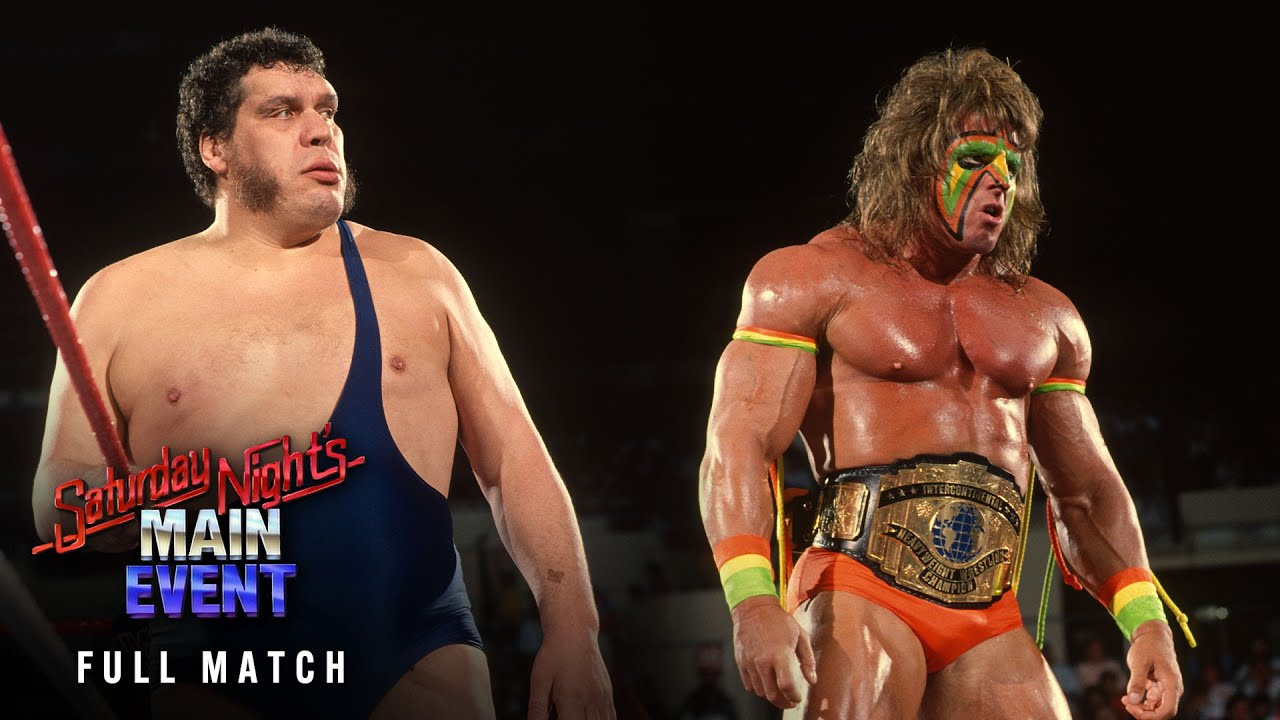
One of the most famous chapters of André’s career was his rivalry with Hulk Hogan. This storyline became one of the biggest draws in wrestling history and played a key role in WWE’s rise during the 1980s wrestling boom.
Their most iconic match took place at WrestleMania III in 1987, where Hulk Hogan body-slammed André in front of a massive audience. This moment became one of the most replayed and celebrated highlights in wrestling history.
Although André was already in declining health, he continued to perform at a high level and even won the WWF Championship in 1988, marking one of the most controversial and memorable title changes in WWE history.
Height, Weight, and Physical Reality vs Wrestling Myth
One of the most debated topics about André the Giant is his exact height and weight. In wrestling, he was billed at 7 feet 4 inches and over 500 pounds, but real measurements suggest slight variation.
Medical and historical records indicate that André suffered from gigantism, and his height likely ranged slightly below or around the billed figures depending on posture and measurement method. Despite exaggerations, even conservative estimates confirm he was still one of the tallest and heaviest professional athletes in history.
His massive size made him both a spectacle and a symbol in wrestling storytelling, where his physical presence alone could create drama and excitement without any action.
Hollywood Career and The Princess Bride Legacy
Outside wrestling, André the Giant achieved worldwide fame through Hollywood. His most iconic acting role was Fezzik in the 1987 fantasy film The Princess Bride. This role showed a completely different side of him, highlighting his gentle personality and sense of humor.
The character of Fezzik became one of the most beloved figures in the film, and André’s performance is still praised today for its warmth and authenticity. It also helped introduce him to audiences who had never watched wrestling.
This role expanded his legacy beyond sports entertainment and made him a true pop culture icon.
Final Years, Health Struggles, and Passing
As André aged, his health began to decline due to complications from acromegaly. The condition placed extreme stress on his heart, bones, and overall physical structure, making travel and wrestling increasingly difficult.
Despite these challenges, he continued performing into the early 1990s, especially in Japan, where he remained a respected attraction. His final years were marked by reduced activity and ongoing health issues.
André the Giant passed away on January 28, 1993, in Paris, France, due to congestive heart failure linked to his medical condition. He was just 46 years old at the time of his death.
Legacy of André the Giant in Wrestling and Pop Culture
André the Giant legacy remains one of the strongest in wrestling history. He was the first-ever inductee into the WWE Hall of Fame, showing how important he was to the industry’s growth and identity.
His influence can still be seen in modern wrestling giants and entertainers who followed in his footsteps. Wrestlers like Big Show and others have often been compared to him due to their size and presence, but André remains unmatched in cultural impact.
Beyond wrestling, he continues to be remembered as a symbol of uniqueness, strength, and human resilience. His story is still told in documentaries, books, and films, ensuring that his legacy lives on for future generations.
Conclusion
André the Giant was more than just a wrestler—he was a global phenomenon whose life combined medical rarity, athletic dominance, and entertainment brilliance. From his early struggles in France to becoming a WWE legend and Hollywood star, his journey remains one of the most remarkable stories in sports history.
Even decades after his passing, André’s influence continues to shape wrestling and pop culture. His legacy as “The Eighth Wonder of the World” is not just about size, but about the unforgettable impact he left on fans across the globe.

Related Posts
Hazel Vorice McCord Biography: Untold Life Story, Family Legacy, and Inspiring Van Dyke Family History

Sophia Laforteza Biography: Inspiring Journey, Katseye Leader, and Global Pop Breakthrough Story