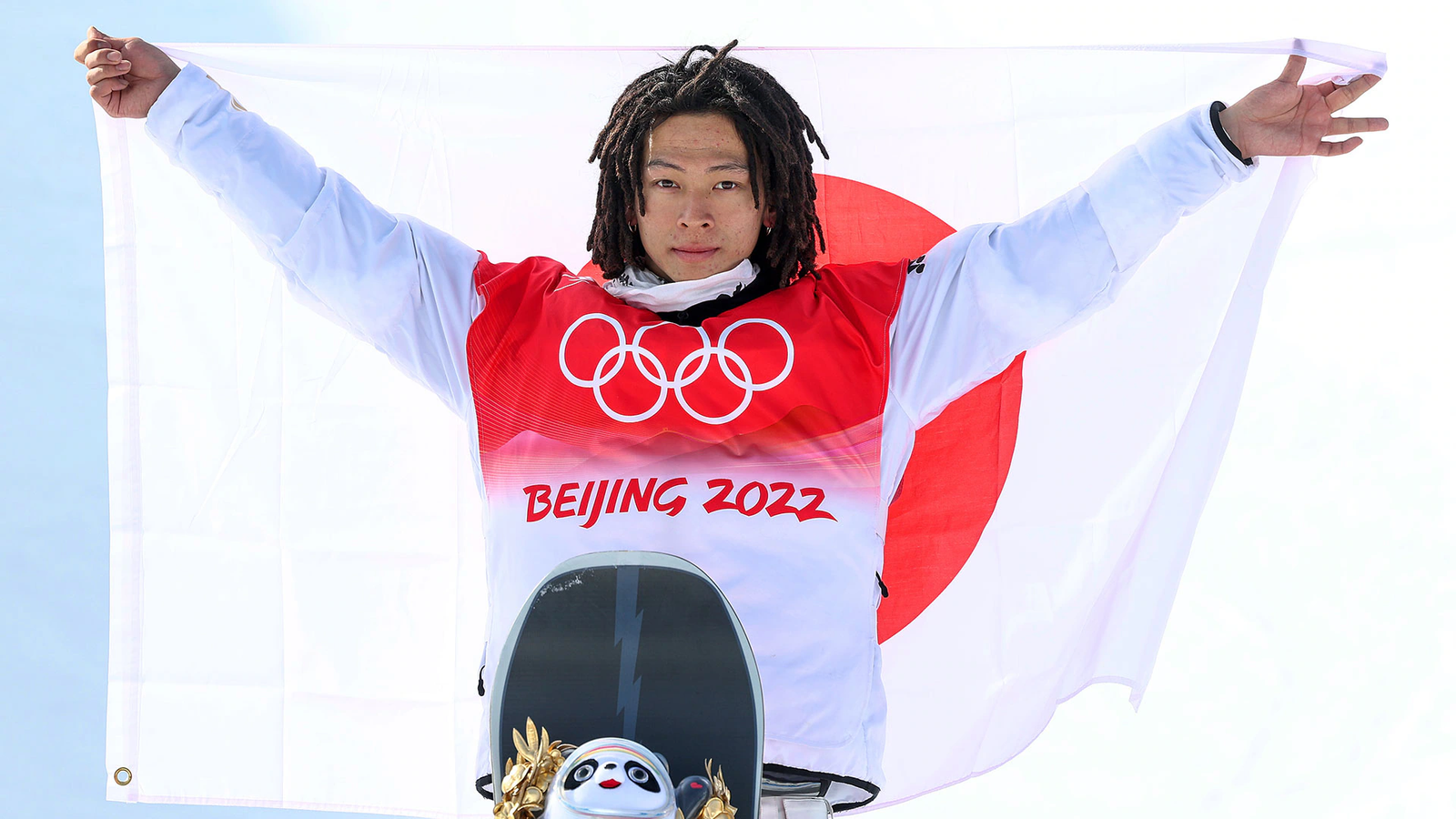
Ayumu Hirano Biography: Olympic Snowboard Champion & Halfpipe Legend
Introduction
Ayumu Hirano is one of the most influential snowboarders in modern winter sports. Born in Japan in 1998, he rose from a small coastal town in Niigata to become an Olympic gold medalist and a global symbol of progression in halfpipe snowboarding. His journey is not just about winning medals but about redefining what is technically possible in his sport.
He is widely recognized for his explosive style ayumu hirano massive air height, and groundbreaking tricks such as the triple cork, which changed competitive snowboarding forever. As of the upcoming 2026 Winter Olympics cycle, Hirano remains one of the most talked-about athletes despite injuries and intense competition, showing both resilience and long-term dominance in elite snowboarding.
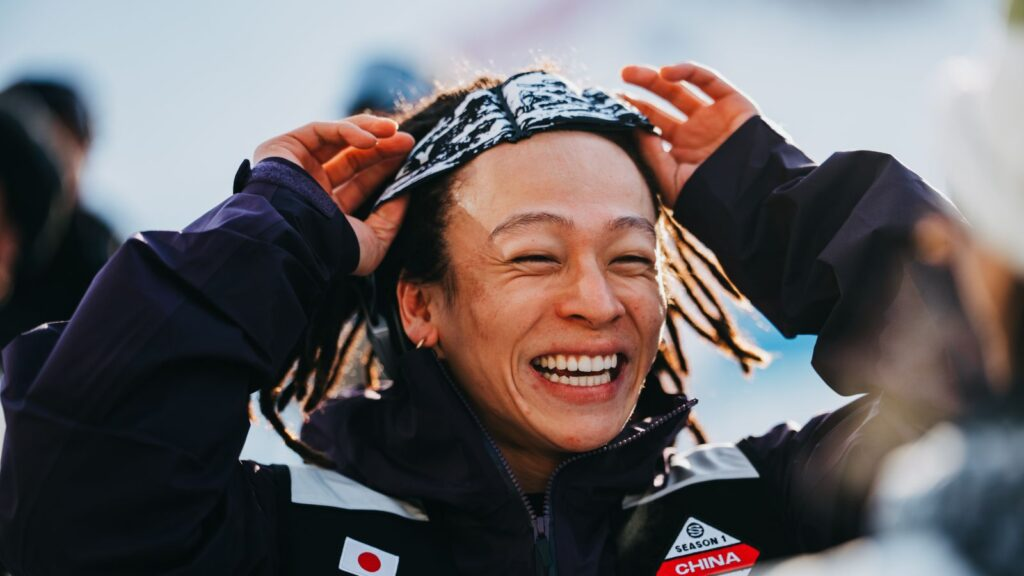
Early Life and Background
Ayumu Hirano was born on November 29, 1998, in Murakami, a coastal city in Niigata Prefecture, Japan. Growing up in a snowy region gave him natural access to winter sports from an early age, which strongly influenced his athletic development.
His family played a key role in shaping his sports career. His father was involved in surfing and skate culture and even built a skate park in their hometown, which exposed Ayumu to board sports early in life. He started snowboarding at around age four and quickly developed balance, coordination, and fearlessness that stood out even among older athletes.
By childhood, he was already competing in junior competitions, showing signs of becoming a future elite athlete. His environment, family support, and early exposure to extreme sports all contributed to his rapid progression.
Rise in Competitive Snowboarding
Hirano’s professional journey began early when he started entering international competitions as a teenager. One of his first major achievements came in 2011 when he won the Burton US Junior Open, which marked the beginning of his global recognition.
By 2013, he had already made headlines by winning a silver medal at the Winter X Games at just 14 years old, competing against some of the best snowboarders in the world. This performance shocked the snowboarding community because of his technical ability at such a young age.
From that moment onward, Hirano became known as a “child prodigy” in snowboarding. His combination of amplitude, creativity, and control made him one of the most promising athletes in the sport’s history.
Olympic Debut and Early Medals
Ayumu Hirano made his Olympic debut at the 2014 Sochi Winter Olympics at just 15 years old. He won a silver medal in the halfpipe, becoming one of the youngest Olympic medalists in snowboarding history.
This achievement placed him in global spotlight instantly. Competing against experienced athletes, he impressed judges with his height, style, and technical execution, proving that age was not a barrier in elite snowboarding.
He continued his Olympic success by winning another silver medal at the 2018 PyeongChang Winter Olympics. This consistency across multiple Olympic cycles established him as one of the most stable and elite halfpipe riders in the world.
Olympic Gold and Career Peak
The defining moment of Ayumu Hirano’s career came at the 2022 Beijing Winter Olympics, where he finally won the gold medal in the men’s halfpipe event. This victory completed his long journey from teenage sensation to Olympic champion.
His final run included a perfectly executed triple cork, one of the most difficult tricks in snowboarding history, which helped secure his victory and cement his legacy.
This win was historically significant because it gave Japan its first Olympic gold medal in snowboarding halfpipe and proved Hirano’s ability to perform under extreme pressure on the world stage.
Technical Style and Innovation
Ayumu Hirano is known for revolutionizing modern snowboarding through technical innovation. His riding style focuses heavily on maximum air height, complex rotations, and precise landings, making his runs visually dramatic and technically advanced.
One of his biggest contributions is popularizing the triple cork in halfpipe competition. This trick involves multiple off-axis flips combined with rotations, requiring perfect timing, strength, and spatial awareness. Hirano’s ability to land such tricks consistently set a new global standard in the sport.
His influence can be seen in younger athletes who now train specifically to match his level of difficulty, showing how deeply he has shaped modern snowboarding progression.
Competitions Beyond the Olympics
Outside the ayumu hirano Olympic Games, Hirano has built an impressive record in events like the Winter X Games, FIS World Cups, and international halfpipe championships.
He has won multiple X Games medals, including gold, and has consistently remained a top contender across global snowboarding circuits.
His success across different competitions shows his adaptability. Whether in high-pressure Olympic finals or seasonal events, he maintains strong consistency and technical excellence.
Injuries, Challenges, and Comebacks
Like many ayumu hirano elite extreme sports athletes, Ayumu Hirano has faced multiple injuries throughout his career. Halfpipe snowboarding is physically demanding, and crashes at high speeds and heights are common.
In recent seasons leading up to 2026, he suffered significant injuries during competition in Switzerland, including facial cuts and lower-body trauma, yet still aimed to continue competing at the highest level.
Despite these setbacks, he has repeatedly returned to competition, demonstrating strong mental resilience. His ability to recover and remain competitive even after serious injuries is one of the defining aspects of his career.
Legacy and Impact on Snowboarding
Ayumu Hirano legacy extends far beyond medals. He is widely regarded as one of the greatest halfpipe snowboarders of all time due to his technical innovation and competitive consistency.
He has inspired an entire generation of snowboarders in Japan and around the world. Many young athletes now model their training styles after his approach, focusing on amplitude, difficulty, and precision.
As he continues competing into the 2026 Winter Olympic cycle, Hirano remains a central figure in the evolution of snowboarding. His influence ensures that his impact on the sport will continue long after his competitive career ends.
Conclusion
Ayumu Hirano story is a powerful example of dedication, innovation, and perseverance. From a young child in snowy Japan to an Olympic gold medalist, his journey reflects years of discipline and fearless progression in one of the most challenging winter sports.
His achievements in the Olympics, X Games, and global competitions have reshaped modern snowboarding. More importantly, his technical innovations have raised the standards of what athletes believe is possible.

Related Posts

Hazel Vorice McCord Biography: Untold Life Story, Family Legacy, and Inspiring Van Dyke Family History

Sophia Laforteza Biography: Inspiring Journey, Katseye Leader, and Global Pop Breakthrough Story